
My stories
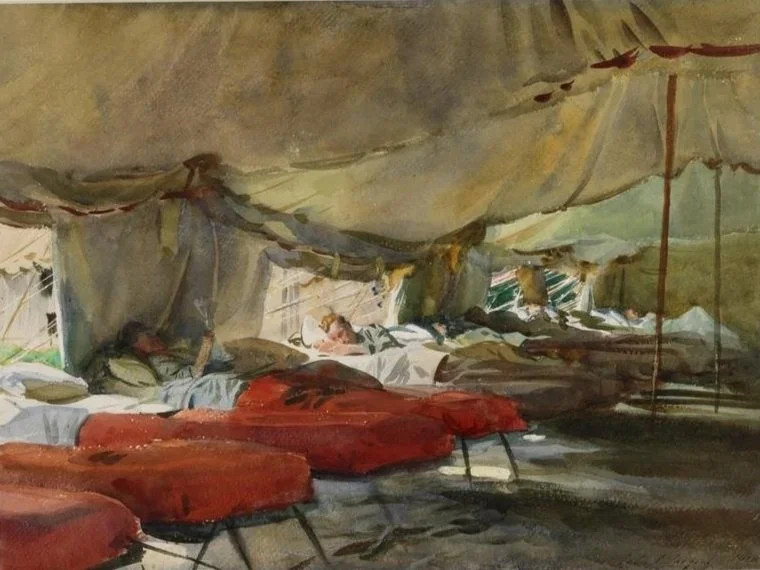
BEST BELOVED
“Best Beloved” is how Rudyard Kipling addresses the young reader of his Just So stories, in memory of his dead daughter, Josephine. In my story, the endearment is applied to Arthur Harrington-Sykes, the childhood sweetheart of Hope Hathaway through whose eyes events unfolds. Arthur has been dead for three years when the story opens in 1918 but his gentle presence haunts the narrative.
Hope and Arthur - and Arthur’s arrogant older half-brother, Gerard - grew up in a small village in the Shropshire Hills. Now a gauche and naïve 21-year-old, Hope is serving as a Voluntary Aid Detachment (VAD) nurse in a base hospital on the French coast. She tries to be loyal to Arthur’s memory but, exhausted and miserable, she is aching to break free and run and laugh and find happiness again. A chance meeting in the dunes leads to a tragic indiscretion and Hope is faced with disgrace and dismissal. She is rescued by Army surgeon Captain Ashley Howard, a man whose outward charm masks a dangerous shadow life and whose gallantry eventually extracts a fateful promise from Hope.
Best Beloved is a story of surviving war, and finding peace and purpose in the aftermath. It’s about living with guilt and secrets, and building something meaningful out of broken dreams.
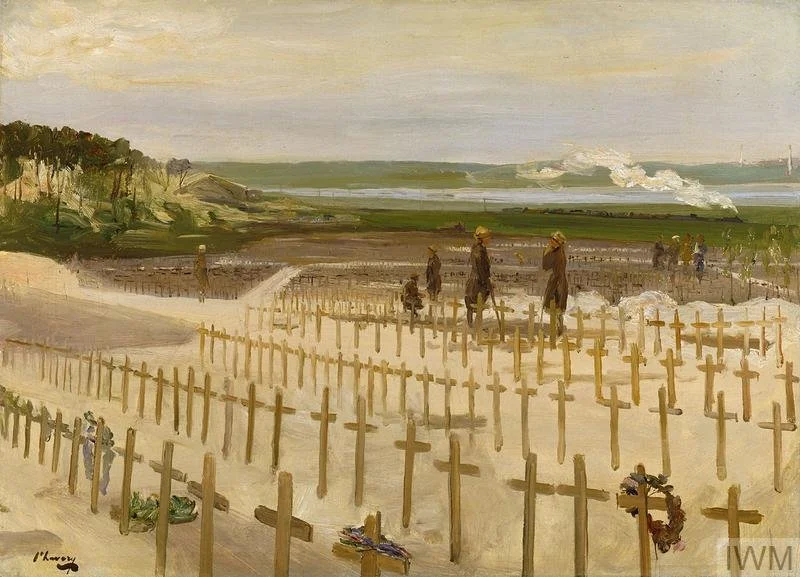
THE WHITE LADY
The White Lady was the code name for the one of the real life WW1 resistance networks in German-occupied France. The title also references the recurring motif of owls; barn owls are known as les dames blanches (white ladies) in French.
Charlotte Rivers is a out-spoken Anglo-Indian woman forced to leave her homeland when her father dies. Now living in Edwardian London on the charity of her half-sister’s husband, Charlotte is desperate to be accepted by the women of the WSPU - and if this means going to goal for the Suffragette cause, so be it.
Soon after the story opens, recovering in Cornwall from incarceration in Holloway Gaol, Charlotte has a passionate encounter with a mysterious man – only for him to walk away the next morning. Consumed with rage, all attempts at decorum and submission cast aside, Charlotte commits an unofficial and violent attack on a government minister. Things go badly wrong and she is forced to flee to Paris.
In Paris Charlotte finds the acceptance and freedom that eluded her in London and, as Winter turns to Spring and the lilac blooms in Montmartre, she also finds love - until Europe explodes into war and her past catches up with her.
The White Lady is a story of ordinary women doing extraordinary things in the chaos and cruelty of war. It’s about learning to love, struggling to be brave, and accepting who we really are.
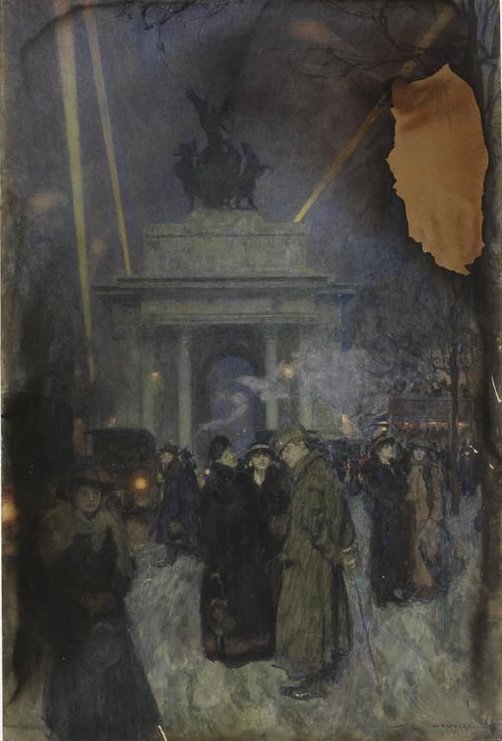
IMAGES from top: The Interior of a Field Hospital, John S Sargent, 1918 © IWM (Art.IWM ART 1611). The Cemetery, Etaples 1919, John Laery, 1919 © IWM (Art.IWM ART 2884). Hyde Park Corner in War-time, William Hatherell, 1917 © IWM (Art.IWM ART 4462).