
Why the First World War?
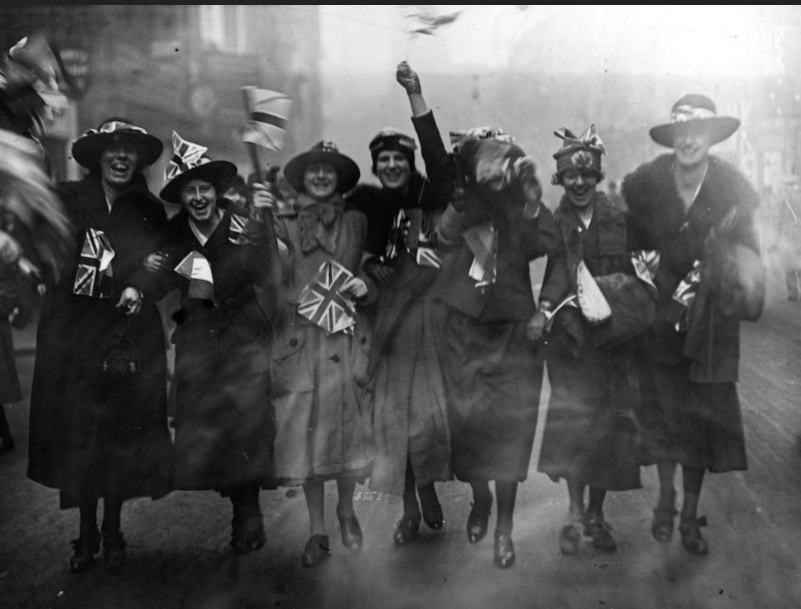
Early 20th century. The age of modernity and Modernism. Western life increasingly urbanised and industrialised; a shrinking world spinning faster and faster, seemingly divorced from the soothing rhythms of natural time and familiar places. Writers and artists rise to the occasion - Wolfe and Joyce, Picasso and Dismorr and a joyous, disturbed, questing host of others, whilst politicians fight for control and social activists seize the moment.
It’s a restless, raucous, argumentative time. Literacy rates are soaring, local newspapers proliferate and are devoured by all classes, lending libraries open windows into new worlds of adventure and opportunity. Lives might be framed by duty and religion but imagination, ambition and a strong sense of social justice set them free. People agitate and organise – for everything; for the vote, for rights within marriage, for safety at work, for orphans and street walkers and ill-treated animals, for justice and freedom at home and abroad.
It’s a world we might sadly recognise today; racist, imperialist, paternalistic, prejudiced – yet energetic and compassionate, romantic and irreverent.
And then comes war; first a European and then a World War. And so the spotlight moves from the teeming streets, smoky music halls and crowded meeting rooms to the trenches; to unremitting misery and mud and blood and miles and miles of barbed wire, and suddenly everyone shuts up and stops joking and jostling and questioning, freezes into sepia placidity, and does as the generals tell them for four long bloody years –
Do they, heck!
Yes, they marched to war in their millions – first as volunteers, later as conscripts; men followed to within yards of the front line by ranks of out-spoken, unstoppable women – but when they’re there they laugh and drink, swear* and whore**; write letters, sing hymns and paint pictures; watch birds in no mans land and films in lamp-lit barns; play lots of football and drink lots of tea; fall in love and care deeply for each other and, above all, take professional pride in work well done; innovative, daring, resilient – and brave beyond anything we today can imagine.
And then they come home – most of them, 88.5% in some form or another – to broken promises of jobs and homes for heroes, and betrayal abroad; unfulfilled dreams of recognition for the peoples of Africa and the Caribbean; new feuds and hatreds in the East thanks to the careless pen strokes of powerful white men; fears and insecurities everywhere – of nationalism, of revolution, of Communism – so that when new evil arises in Europe, nobody recognises it until it’s almost too late.
Who wouldn’t want to write stories of this time?
*I refer anyone who thinks their grandfather never swore to the original unexpurgated 1929 edition of Her Privates We by Frederic Manning.
**Also with respect to ones grandfathers, take a look at They Didn’t Want to Die Virgins, an academic tome by the aptly named Bruce Cherry (Helion & Company, 2015)
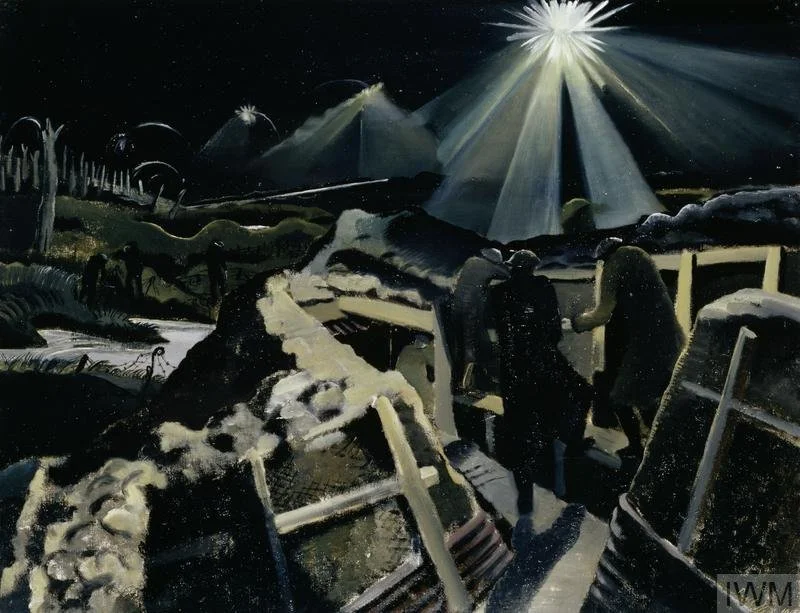
The Ypres Salient at Night by Paul Nash, 1918 © IWM (Art.IWM ART 1145)